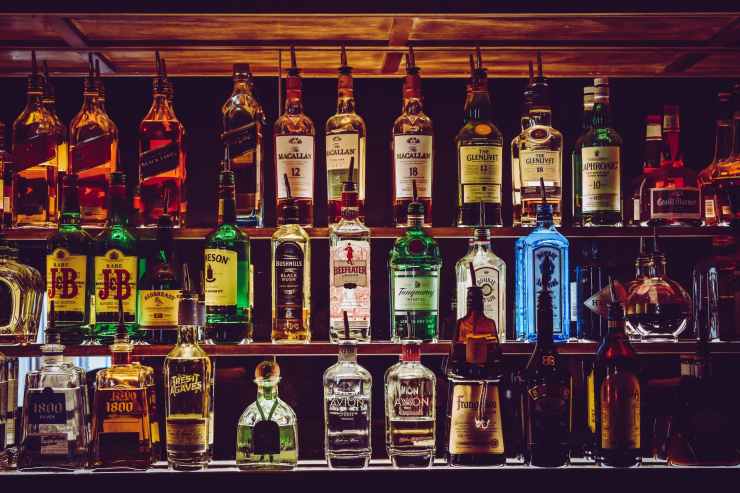
Gluten Free Alcohol

Well folks it is Labor Day weekend and that means it’s time to unwind, relax, and have a little fun. So what better topic than to figure out what we will be drinking this weekend?

Gluten free alcohol is a mixed topic (pun fully intended). Some drinks are obviously not gluten free, like beer, but when it comes to liquor, there is a bit more a debate. Below is the basic breakdown of your major alcoholic beverages:
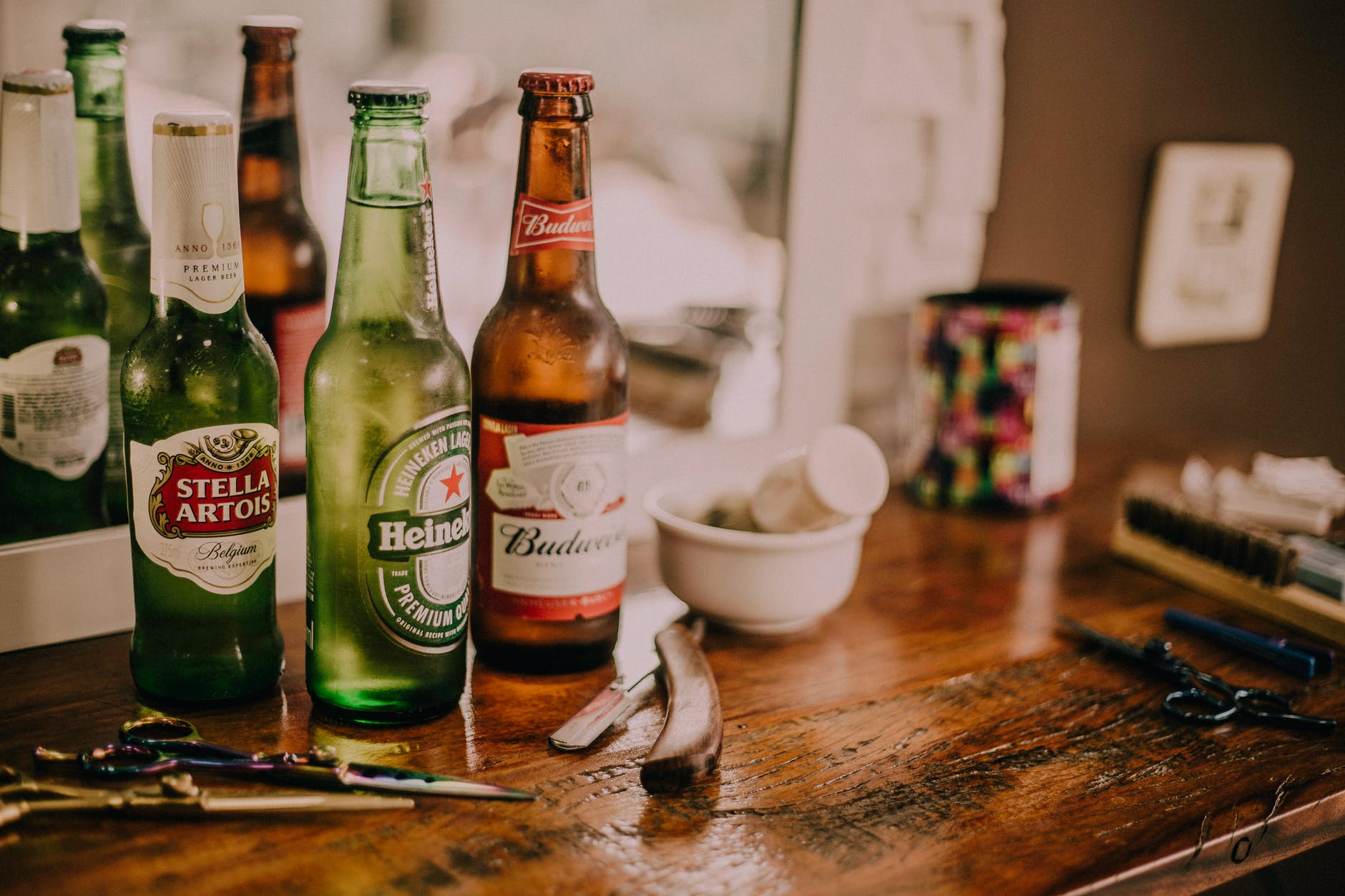
Beer

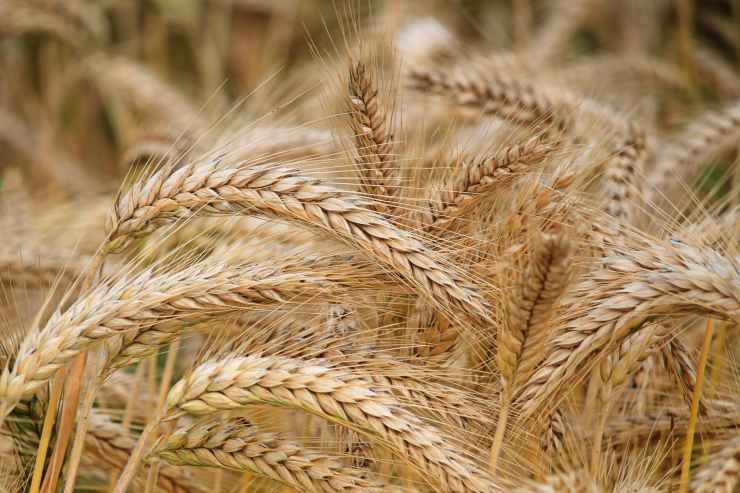
What’s in it: Beer is primarily made of water, hops, yeast and malted barely. There are lots of other fun things that can be added, but the basic ingredients means is beer not gluten free. Sadly this will include things that are “beer battered” or soaked in beer (mmmm beer brauts!).

How’s it made: Beer is made by malting the grains, those are then steeped in water brought to a boil, hops are added, then it’s stored in a cool place with added yeast. At this point the beer is flat, so it’s bottled where the CO2 is formed over weeks or months, then it’s ready to drink. (For you beer lovers, I hope I didn’t butcher the process too badly). Cross contamination is likely if the equipment is shared.

Is it Gluten Free: No, with a few special exceptions. In general, beer is not safe for those with Celiac Disease. There are some beers that are gluten free, and they fall into two categories: Gluten Removed Beer and Gluten Free Grain Beer. The gluten removed beer is made from grains containing gluten and through processes the gluten is removed. I have always gotten sick off this kind of beer. For people with Celiac Disease, I don’t recommend this type of beer. I do recommend gluten free beer that is 100% gluten free ingredient based. These beers are made using different grains, such as rice, or millet. The taste is different, but some are still very good.

Continue reading “Gluten Free Alcohol”

First Dates done Gluten Free

Oh the wondrous world of dating. It is full of highs and lows, and ups and downs. And no matter how you met the other person at some point, title or not, there will be a “first date.” The first date raises so many questions: how do we make a decision together, how does the other person reach a decision, where will we meet, what will we do, what time works best, what to wear, what on earth are you going to talk about, or more important what are you NOT going to talk about.

First dates can become the beautiful story folks share at their wedding reception that are so sweet, it leaves the entire audience a little dewy-eyed and feeling magical. Or, they can be so awful and terrifying that they make you question the good of humanity, like how can so much crazy be walking around, freely out there? It doesn’t matter if you were friends first, meet via an ap, or were set-up by your mothers, first dates come with their fair amount of anxiety. So let’s compound it by having a serious digestive disease, shall we?

Continue reading “First Dates done Gluten Free”

Gluten Free Basics: Food Types to Enjoy and to Avoid

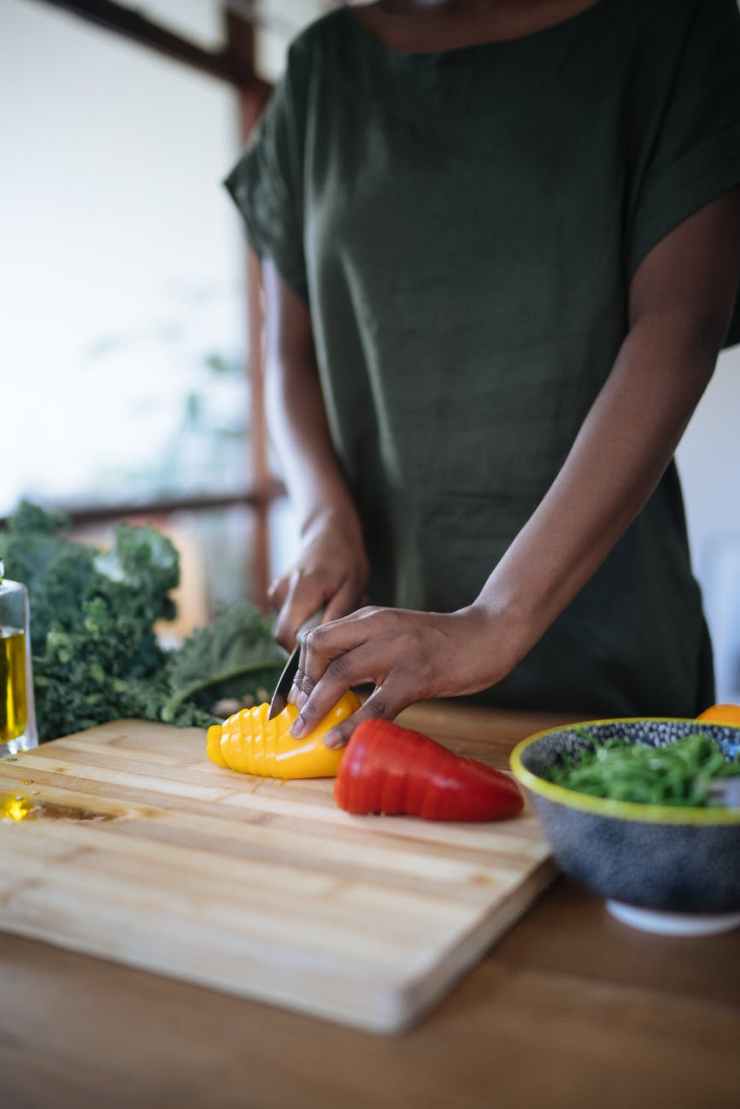
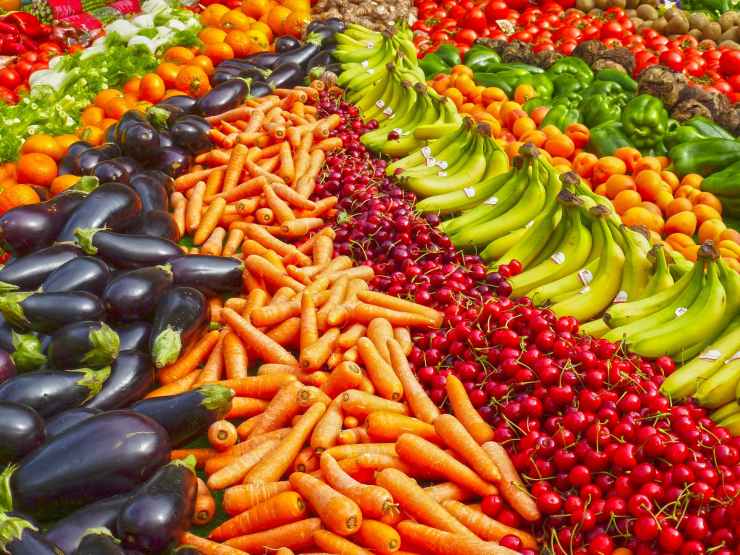
Going gluten free means watching out for wheat, barely, and rye in our foods (and drinks), but let’s look at some basic types of foods that are gluten free in their natural form:

  • Fruits
  • Vegetables
  • Potatoes
  • Rice
  • Beans
  • Meat
  • Milk
  • Yogurt
  • Butter

The key here is “in their natural form.” Going to the butcher shop and selecting a steak, that is naturally gluten free. Going to the Whole Foods counter and asking for the steak tips in teriyaki marinade, that is not natural or gluten free. Steak doesn’t naturally come marinaded (at least not in this world), and the marinade here most likely contains soy sauce (more on this in a minute). Foods that are left in their original form, from nature, are usually safe to eat. So dried beans in a bag are probably okay, but beans in a can will contain other ingredients may not be safe.

Continue reading “Gluten Free Basics: Food Types to Enjoy and to Avoid”

Gluten Free Basics: Cross Contamination

You have some idea about what it is that you need to watch out for to eat gluten free food. But it isn’t safe just yet. PUT DOWN THE FRENCH FRY. I know, I know. I get how hard it is to resist, but let me explain.

Making sure the food is gluten free is a two part equation:

Gluten Free Ingredients + No Cross Contamination = Safe To Consume 

Gluten free ingredients:  WHAT is in your food/ drink?

Cross Contamination: HOW is it made?

Cross contamination is just what it sounds like, crucifixes infect eachother. No, kidding (I am not a heretic, please don’t be offended). But the idea behind one thing “infecting” another is legitimate. For example, let’s say someone made a sandwich for themselves and now they are making your gluten free sandwich. They pull out your gluten free bread, place it on the cutting board, dip the knife into the mayo, add a little mustard, slice the cheese, toss on some lettuce, and add turkey. Everything they used was gluten free so what’s the deal? Let’s break down the process a little more:

Continue reading “Gluten Free Basics: Cross Contamination”

Gluten Free Basics: Avoid Wheat, Barley, Rye, and Malt

Like most things in life, we learn more from what we don’t want than what we do. This same rule applies to everything you will eat, drink, put on that face, and in that beautiful mess of hair on your head. Think I am kidding? Do you want to spend 5 hours throwing-up in your wedding dress? I didn’t think so (that story will come in a later post). 

Knowing what is safe for you to consume, is all about knowing what to avoid. This means you are going to become an expert label-reader. Even if you already read labels, this becomes a gargantuan task. If you have never looked at a label in your life, let’s just say I cried a few times in the grocery store upon first being diagnosed. Because it can be so frustrating and time consuming. Just start small, and manageable. And do not beat yourself up for making a mistake here and there. 

I was a healthy eater, but didn’t pay too much attention to labels. Now, I read it thoroughly, and not just for gluten. It has taught me to watch out for other things that I want to control: is the MSG in that worth it? that has how much fat? huh I didn’t realize that this had such little sugar? 

Continue reading “Gluten Free Basics: Avoid Wheat, Barley, Rye, and Malt”

Homemade Gluten Free Hoisin Sauce

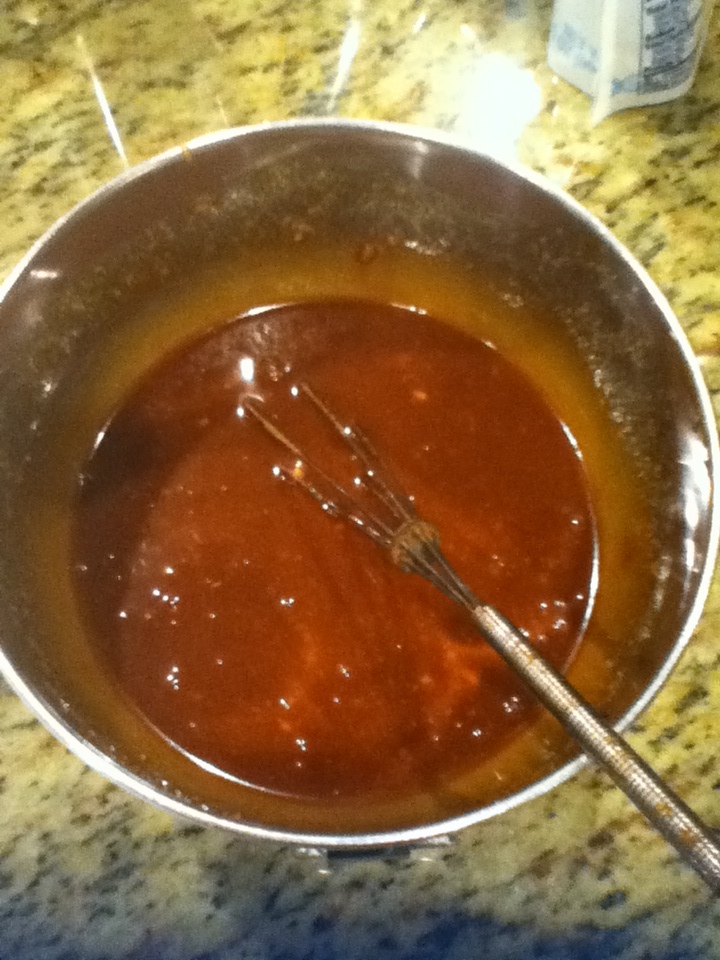
20140315-201217.jpg

This recipe was very easy and tasted great! A recipe I had for Bourbon Pork Tenderloin called for Hoisin Sauce, which I thought, great, another ingredient I don’t have and will not be able to find on a grocery store shelf. So, to Google it was, and I adapted this recipe from Food.com

Homemade Gluten Free Hoisin Sauce

  • 4 Tbl gluten free soy sauce
  • 2 Tbl gluten free all natural peanut butter
  • 1 Tbl molasses (or substitute honey)
  • 2 tsp seasoned rice vinegar
  • 1 finely minced garlic clove
  • 2 tsp sesame seed oil
  • 1 tsp Chinese hot sauce, to taste (I used  sweet chili garlic sauce)
  • 1/8 tsp black pepper

Directions:

  1. Combine all ingredients in a small mixing bowl.
  2. Mix well with a whisk until well blended.

Yeild: 3/4 Cup

Please note: items in red are ones that you will need to make sure they are gluten free, as the common variety might not be.


Welcome to the World Void of Gluten

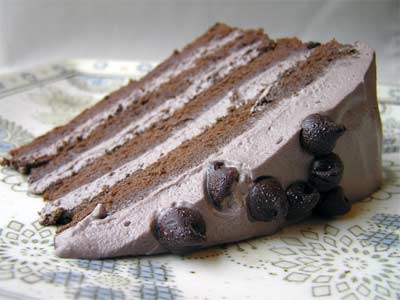
Light Than Air Chocolate Cake from Gluten Free Mommy

Whether it’s an allergy, an intolerance, or Celiac disease, you are unable to consume anything that has the protein gluten in it. That doesn’t sound so bad, right?

Right, until you realize that gluten is what gives elasticity to dough, helps baked goods rise, thickens sauces and broths, used as an additive in foods with low protein, and a host of other uses. You find out you can no longer eat: most cereals, breads, crackers, chips, bagels, muffins, cakes, brownies, pies, pastries, buns, rolls, tortillas, pastas,  pizza, gravies, soy sauce, salad dressings, bar-b-q sauce, instant rices, frozen food entrees, fast food, imitation meat products, most types of candy, and the list continues. And because this little protein can be found hiding under several names, you get to spend hours reading labels at the grocery store, telling your co-workers no, you really can’t have a slice of the birthday cake,  lying in bed wondering if you remembered to check your toothpaste, and asking the waiter, can I please see the ingredient list for your marinade? Suddenly you feel your food choice realm has just shrunk significantly.

Yes, your post-gluten world will not be the same as the one you were living. Grocery stores will seem to shrink in the number of items you can even consider purchasing, the list of restaurants you go out to seems to have evaporated, the standard carbohydrates you used to refuel and pre-fuel before running will need some serious adjustment, and you don’t know where to begin. It can be overwhelming and even depressing at first, but please don’t be discouraged.

You will find there are still thousands of things you can eat and almost always you can find a way to create your most beloved gluten-food in a gluten-free version. And if you look at that list again, you will find that rules out a lot of unhealthy options. Going gluten-free will be the best thing for your body, and you will eat healthier as a result. That’s two huge positive benefits that outweigh even the best slice of cake.