
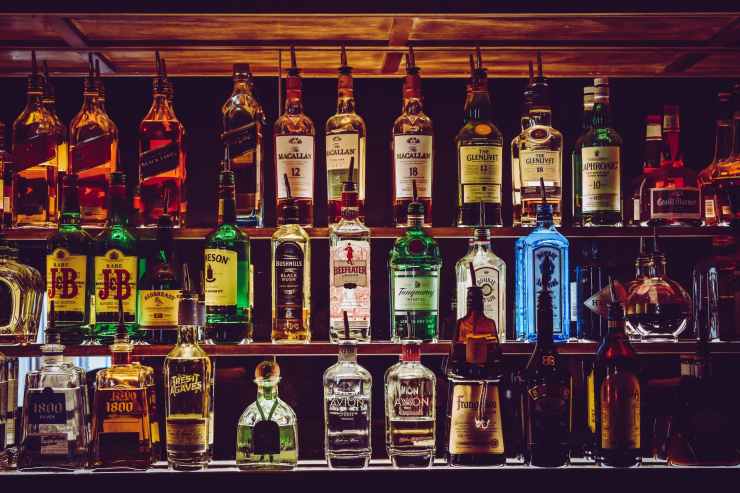
Well folks it is Labor Day weekend and that means it’s time to unwind, relax, and have a little fun. So what better topic than to figure out what we will be drinking this weekend?
Gluten free alcohol is a mixed topic (pun fully intended). Some drinks are obviously not gluten free, like beer, but when it comes to liquor, there is a bit more a debate. Below is the basic breakdown of your major alcoholic beverages:
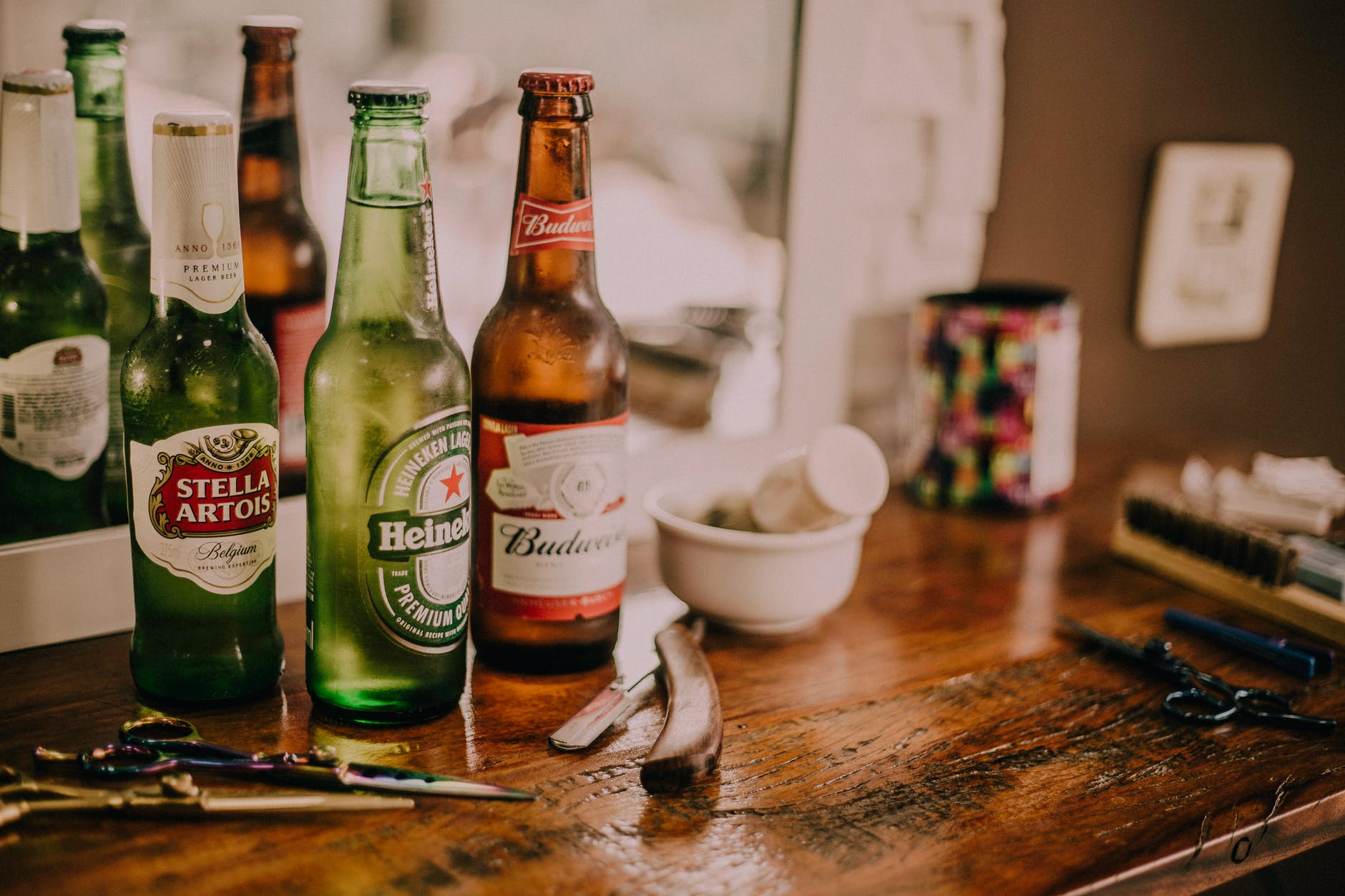
Beer
What’s in it: Beer is primarily made of water, hops, yeast and malted barely. There are lots of other fun things that can be added, but the basic ingredients means is beer not gluten free. Sadly this will include things that are “beer battered” or soaked in beer (mmmm beer brauts!).
How’s it made: Beer is made by malting the grains, those are then steeped in water brought to a boil, hops are added, then it’s stored in a cool place with added yeast. At this point the beer is flat, so it’s bottled where the CO2 is formed over weeks or months, then it’s ready to drink. (For you beer lovers, I hope I didn’t butcher the process too badly). Cross contamination is likely if the equipment is shared.
Is it Gluten Free: No, with a few special exceptions. In general, beer is not safe for those with Celiac Disease. There are some beers that are gluten free, and they fall into two categories: Gluten Removed Beer and Gluten Free Grain Beer. The gluten removed beer is made from grains containing gluten and through processes the gluten is removed. I have always gotten sick off this kind of beer. For people with Celiac Disease, I don’t recommend this type of beer. I do recommend gluten free beer that is 100% gluten free ingredient based. These beers are made using different grains, such as rice, or millet. The taste is different, but some are still very good.
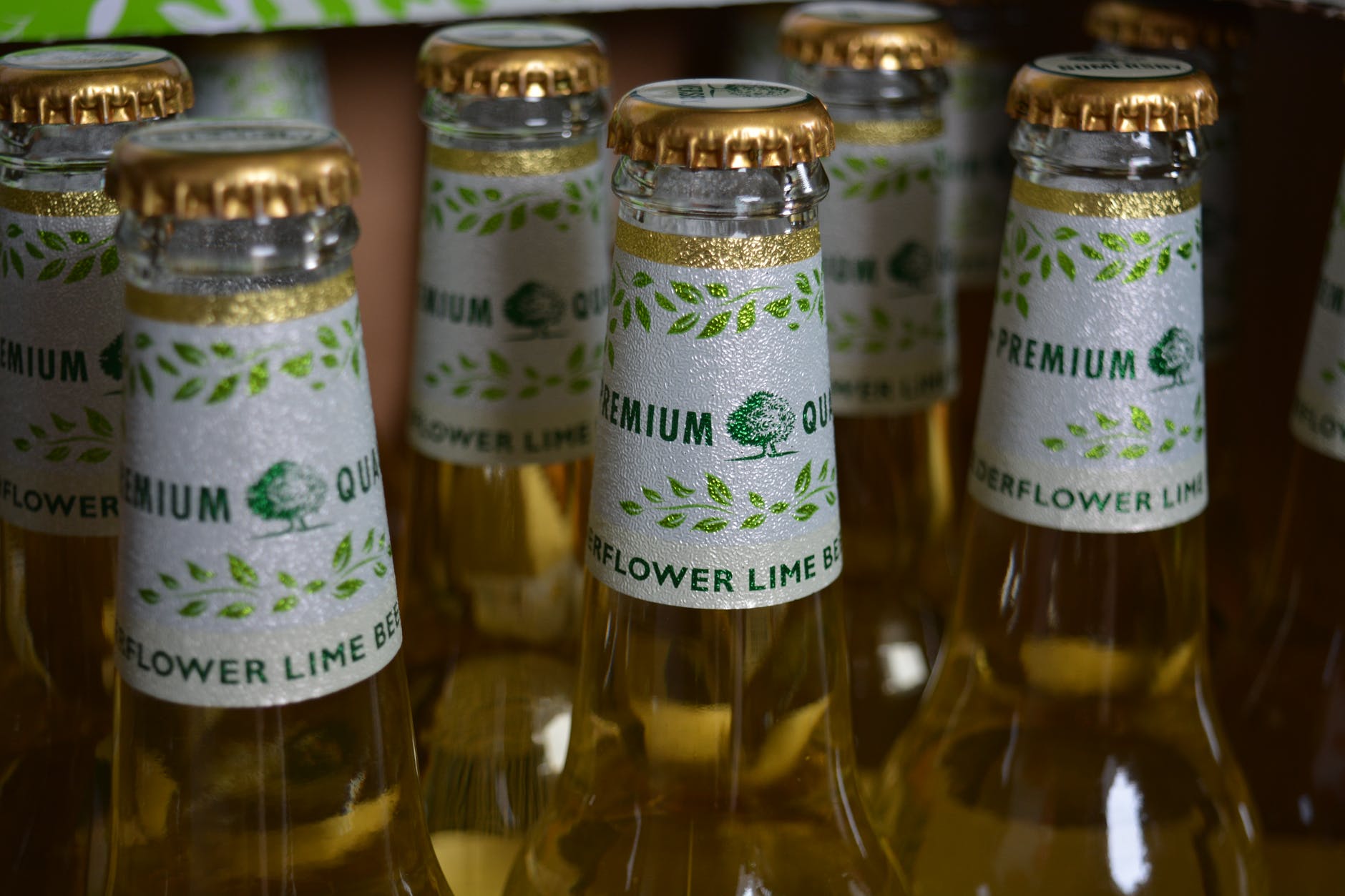
Cider
What’s in it: Fermented apple juice and yeast. Other additives like caramel color, potassium sorbate, and so on are added to stop the yeast or enhance the color. Different flavors are often added as well, and now some are even adding hops.
How’s it made: The apples are harvested, crushed, pressed into juice. Then the apple juice is fermented with yeast (typically champagne yeast, not the yeast they use to make beer), then it’s filtered, carbonated (C02 is added), and then it’s canned or bottled. As long as it’s not the same equipment used to create beer, cross contamination will be rare.
Is is Gluten Free: Yes, cider is naturally gluten free. Cider is considered a good alternative to beer, although often times much sweeter. There are some cider makers that have made remarkable leaps at creating less sweet and more dry cider. As always, double check your bottle in case gluten ingredients were added to it. I know, why take something perfectly gluten-free and mess it up, right?
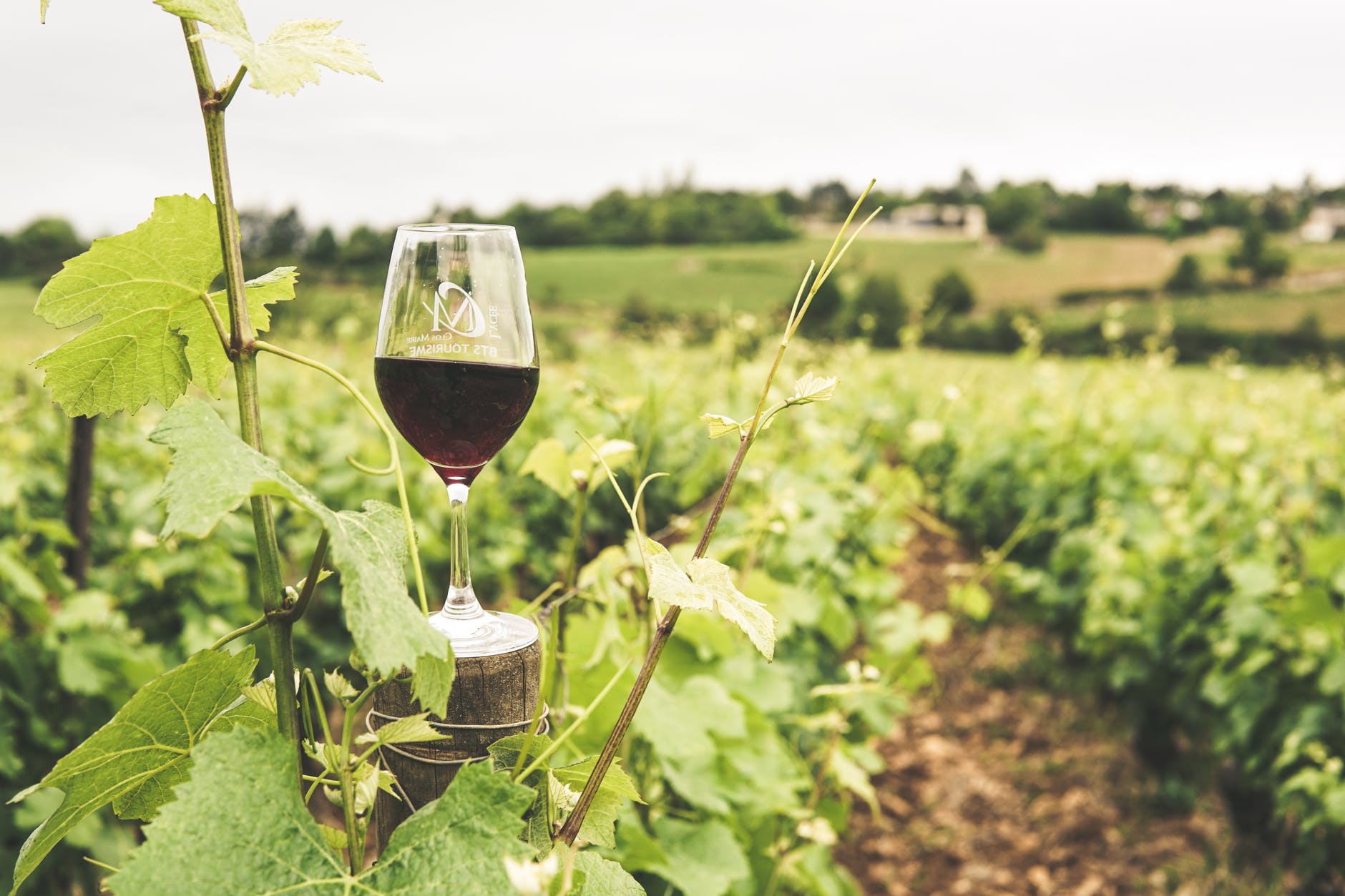
Wine
What’s in it: Fermented grape juice and yeast. Sometimes other additives, like sulfates or additional sugar to aide in some of the processes in wine making.
How’s it made: It varies depending on the varietal, but in general, grapes are harvested, fermented in large vats where yeast is added, pressed, aged in some form of barrel, then bottled. The only rare exposure to cross contamination is if the wine was aged in an oak barrel sealed with wheat paste, but keep in mind it’s not the staves themselves, just the head of the barrel that could be sealed with this paste.
Is is Gluten Free: Yes, wine is naturally gluten free. Now, be mindful that I am talking about wine only, NOT wine coolers (which are not gluten free and not wine). Red wine, white wine, sweet wine, and sparkling wines should all be gluten free. There are a few very rare exceptions, like the barrel sealant. But feel free to indulge as normal in your Cabernet, Bordeaux, Champagne, Savignon Blanc, Roses, Gewurztraminer, and so on.
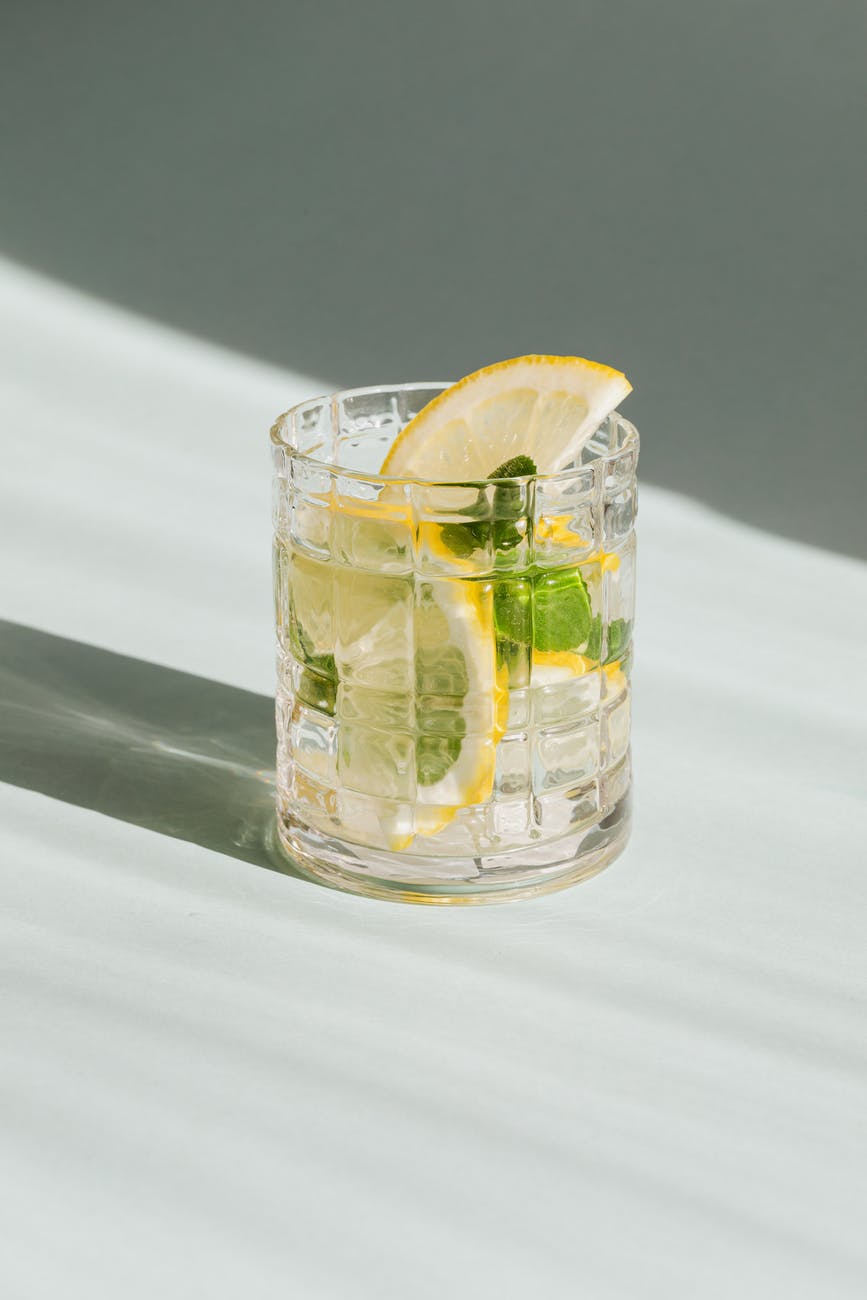
Gin
What’s in it: Ethanol (distilled liquor sometimes made of malted grain, like barley, rye, and wheat) typically distilled with botanicals or juniper berries
How’s it made: Depends on the type of gin, but your standard gin would be London Dry Gin, and is made by re-distilling the grain alcohol with botanicals, with nothing added after the re-distillation process. There is some chance for cross contamination since some gin is based with gluten containing ingredients.
Is is Gluten Free: For 100% safe gin, it depends on the brand. Certain gins are made from gluten containing grains, but most of the gluten is removed during the distillation process. This has the potential to still make some of us sick. However, there are certain brands of gin that are made from potatoes, grapes, or flowers. These gins are made of all gluten free ingredients and are considered a safer choice for those with Celiac Disease.
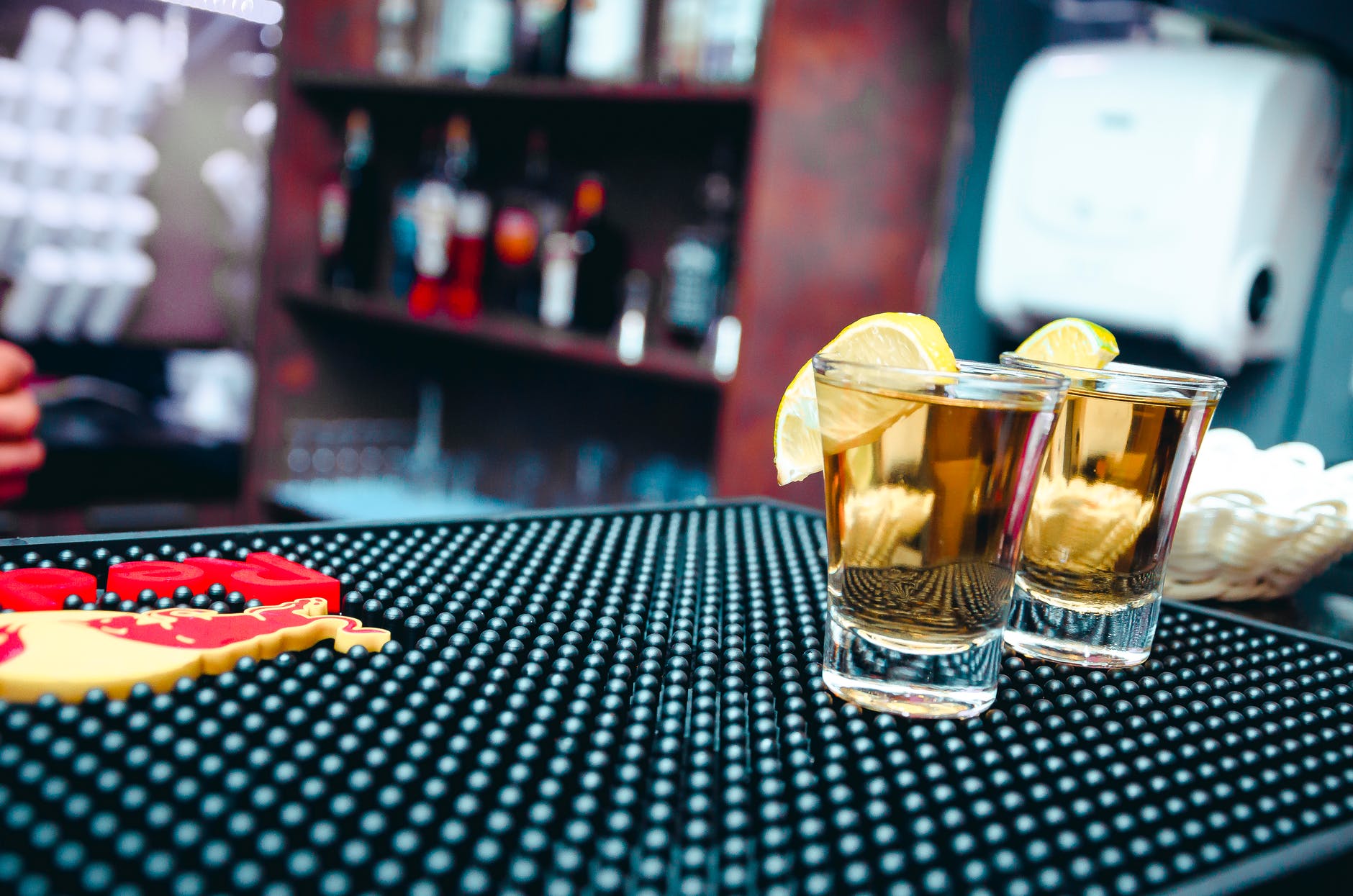
Tequila
What’s in it: It is made of distilled agave (which is a starchy succulent plant).
How’s it made: The heart of the agave plant, called the piña,is harvested. Those are then roasted, yeast is added, then it’s distilled, and often times it is aged. Blanco tequila is un-aged, but Reposado, Anejo, and Extra-Anejo, tequilas are aged, often in used whiskey (bourbon) oak barrels. Gold tequila is blended. There is very little chance for any cross contamination because the ingredients during the processes are all gluten free.
Is is Gluten Free: Yes. As long at the bottle says 100% Agave, the tequila is gluten free. There is some concern if it is inexpensive tequila that is blended with “other” unknown ingredients.
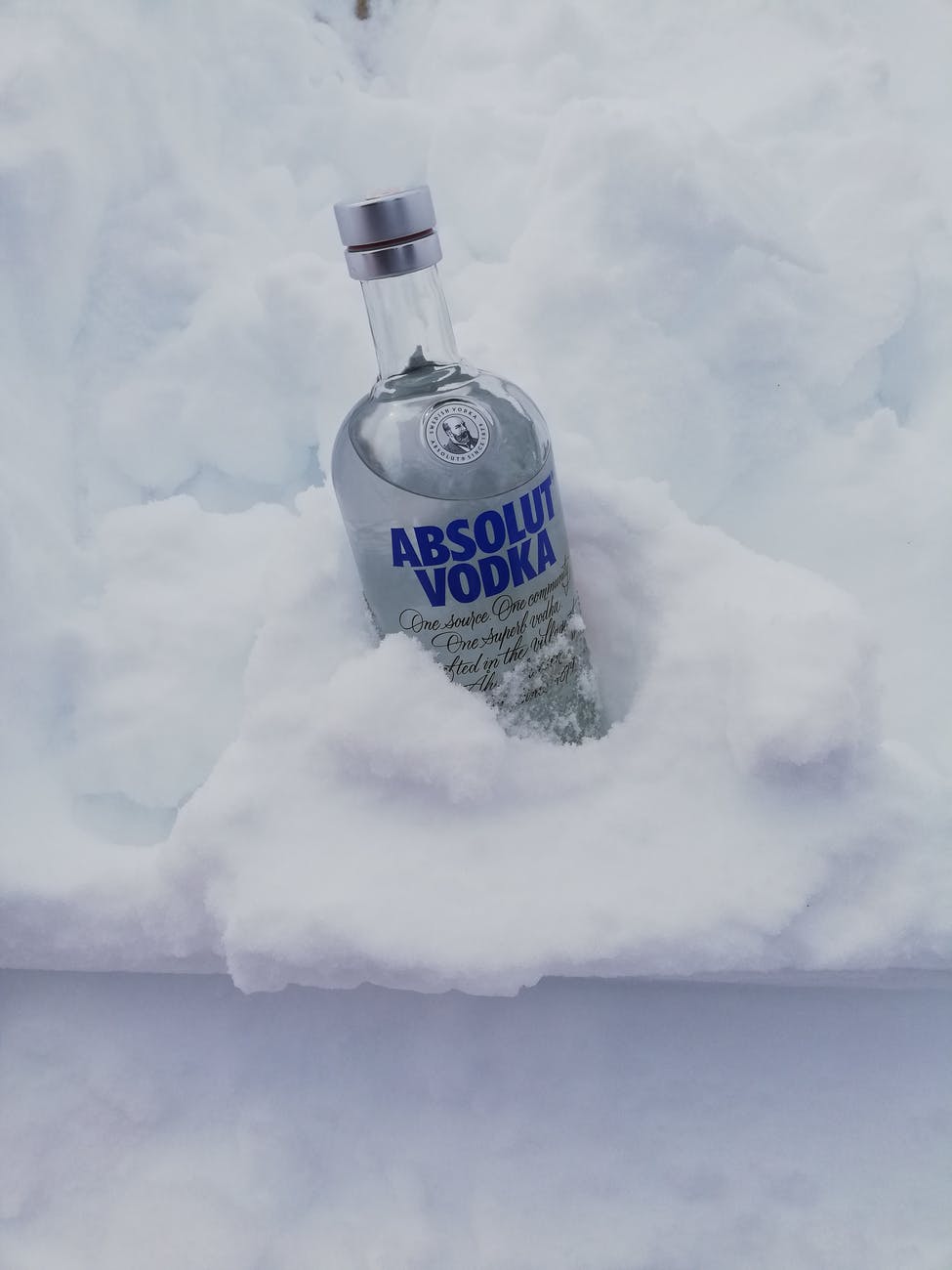
Vodka
What’s in it: Vodka is essentially ethanol and water. It’s distilled from potatoes or another neutral grain such as rye, corn, or wheat, combined with yeast and water. Some vodkas are distilled from beets, grapes, and other bases, and some have added flavors.
How’s it made: Vodka is created from a mash from potatoes or another grain, which is sterilized, and then yeast is added during the fermentation process. After this, the mixture is distilled to remove impurities and then bottled and diluted. Most vodka is not aged. After the distillation process, there is minimal risk for cross contamination.
Is is Gluten Free: Yes, unless the vodka has added flavors or ingredients added after distillation. The unusual thing to note is that even if the vodka is made from gluten containing grains, such as wheat, barely, or rye, it is considered gluten-free (and safe for Celiacs) after the distillation process. If you feel uncomfortable, there are many brands of vodka that are NOT made from gluten based ingredients, and I know I tend to stick to those.
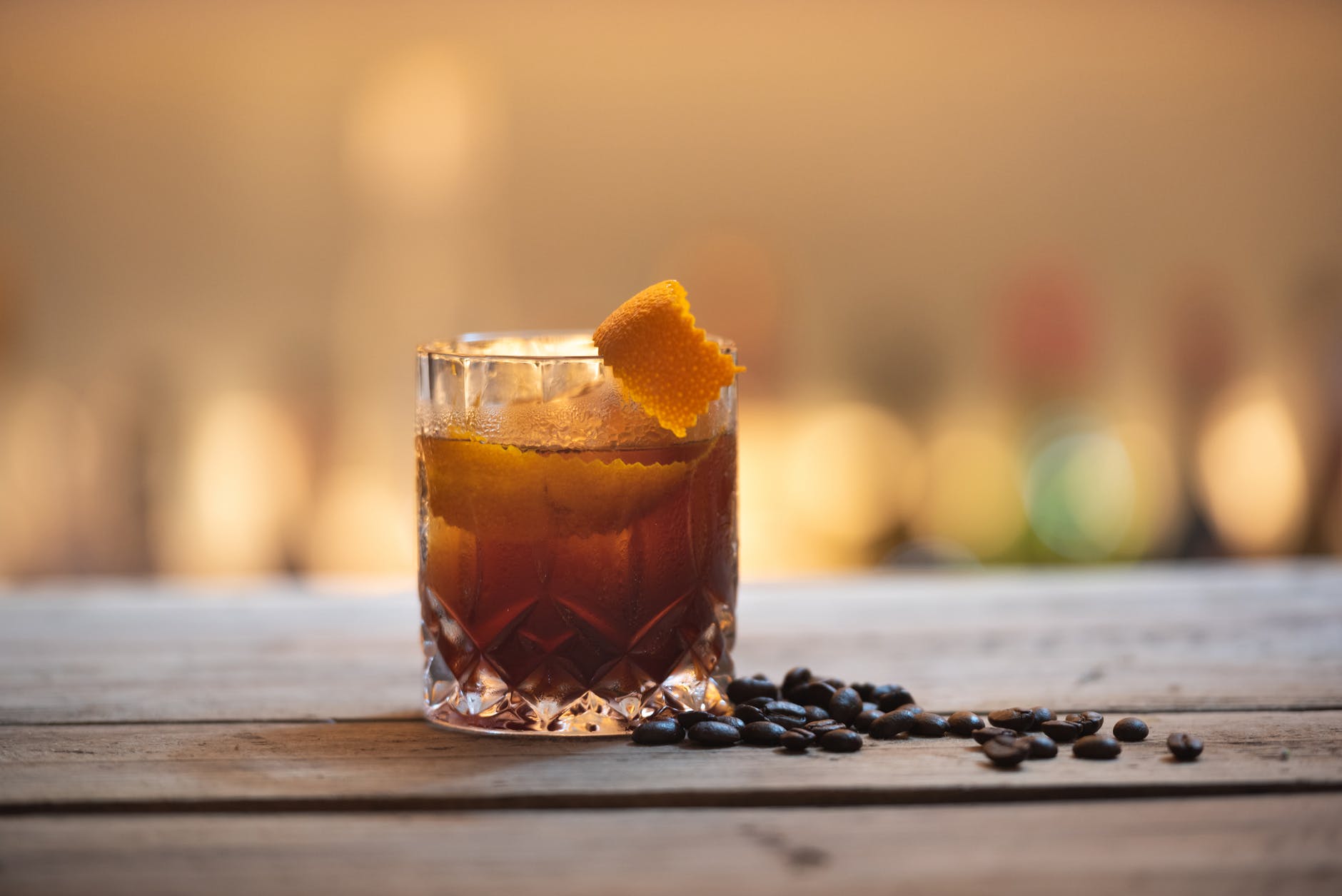
Whiskey and Bourbon
What’s in it: Whiskey and Bourbon consist of a grain mash, yeast, and water. The grain mash is typically made from a mixture of corn, barely, rye, and wheat.
How’s it made: The mixture of the grains are sometimes malted or not, then water is added to them to create the mash and it’s cooked. After, yeast is added to the cooked mash during the fermentation process. The mixture is then distilled, moved into barrels to age, then bottled. Sometimes it’s diluted before it’s bottled. There definitely is a chance of cross contamination since the grains here are not gluten free.
Is is Gluten Free: For the most part, yes. After the distillation process, whiskey and bourbon contain less than 20 ppm that is recommended safe for people with Celiac Disease. However, there is a snag. Some of the whiskey manufacturers add caramel coloring (which may contain gluten) or even a small amount of the undistilled grain mash after the distilling process. I know a very popular brand (*Jack Daniel’s*) that has a certain whiskey where they do add a little of the mash back into the whiskey after it’s been distilled, and it is NOT gluten free. There are a few whiskey’s made from sorghum, which does not contain any gluten to begin with.
Rum
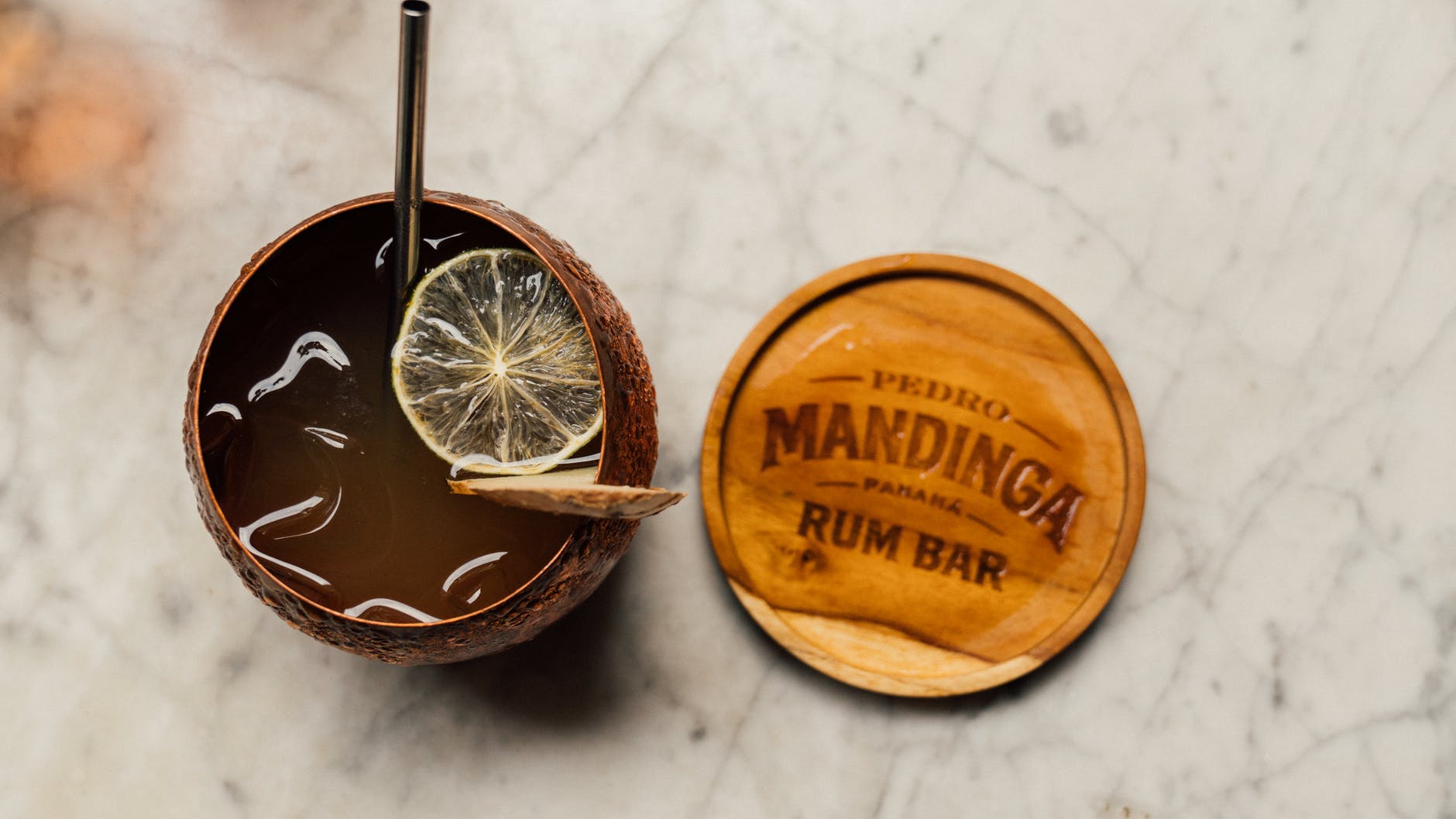
What’s in it: Sugar, water, and yeast. Rum is largely made from fermented molasses (from sugar cane).
How’s it made: Sugar cane is harvested and crushed, and it’s juice is pressed out. Some rums are made from the sugar itself while most are made from the molasses (essentially a waste product left remaining after sugar is extracted). The molasses is fermented through natural yeast or the addition of yeast, and then distilled. Some rum is sold straight after the distillation process, but most rum are aged and blended with other rum from various ages. Not much chance for cross contamination.
Is is Gluten Free: Yep. Rum is naturally gluten free. The main thing to watch out for would be flavored rum where additives that may contain gluten could have been introduced to the rum.
Brandy
What’s in it: Fruit juice and yeast. Brandy (or Cognac) is distilled from wine.
How’s it made: Brandy can be made from a variety of fruit juices, but most of the time it is made from grape juice. The juice is fermented and made into wine. Then the wine is distilled and aged, after which it is typically blended with other aged brandy into the final product. Cross contamination should be minimal.
Is is Gluten Free: Yes, brandy is naturally gluten free. Again, as long as the manufacturer isn’t added special flavors after it’s been distilled, it should be safe to consume.
Whew. Long post. I hope you all enjoyed this primer on gluten free alcohol and it can inspire you to craft your favorite cocktail or enjoy a cold one with friends. As always, check your labels and trust your gut in determining if it’s safe for those of us with Celaic Disease. In future posts, I will go over a specific alcohol type and the gluten free options available (let’s be honest, finding good gluten free beer is costly and you have to go through a lot of meh).
I am off to one of my favorite wineries this Sunday for a little Labor Day relaxation! Here’s to you finding time to relax and have some fun this weekend!
Cheers!
Your Fellow Gluten Free Adventurer

 Gluten Free Runner Gal
Published by