
Like most things in life, we learn more from what we don’t want than what we do. This same rule applies to everything you will eat, drink, put on that face, and in that beautiful mess of hair on your head. Think I am kidding? Do you want to spend 5 hours throwing-up in your wedding dress? I didn’t think so (that story will come in a later post).
Knowing what is safe for you to consume, is all about knowing what to avoid. This means you are going to become an expert label-reader. Even if you already read labels, this becomes a gargantuan task. If you have never looked at a label in your life, let’s just say I cried a few times in the grocery store upon first being diagnosed. Because it can be so frustrating and time consuming. Just start small, and manageable. And do not beat yourself up for making a mistake here and there.
I was a healthy eater, but didn’t pay too much attention to labels. Now, I read it thoroughly, and not just for gluten. It has taught me to watch out for other things that I want to control: is the MSG in that worth it? that has how much fat? huh I didn’t realize that this had such little sugar?
While the task of reading labels seems overwhelming at first, I promise you it gets better with time, and practice, practice, practice. It also has the unintended benefit of teaching you what you are actually putting into your body. I wasn’t an organic-loving protein-power eater before I started all this. But even my mother, who did avoid MSG, noticed all the other “stuff” that is in the foods, sauces, condiments, and so on. You read enough of the labels, and you begin to see how much a of a chemistry experiment mass food production can be. And there is good reason for it such as shelf stability and greater selection. But it is indeed food for thought.
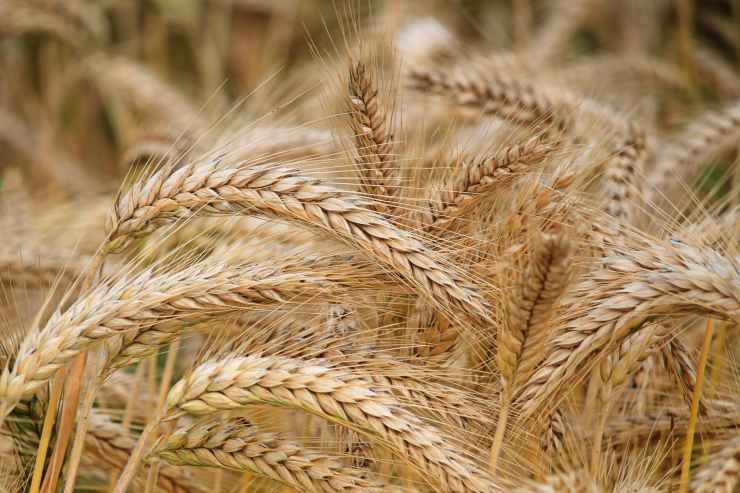
Things to watch out for when selecting gluten free items:
- Wheat
- Barely
- Rye
- Malt
Here comes the tricky part, sometimes they have different names:
- Wheat:
- Bulgar, semolina, spelt, frumento, durum (also spelled duram), kamut, graham, einkorn, farina, couscous, seitan, matzoh, matzah, matzo, and cake flour
- Rye:
- White Rye Flour, Cream or Light Rye Flour, Medium Rye Flour, Dark Rye Flour, Rye Meal, Pumpernickel Flour or Meal, Cracked Rye or Rye Chops, Rye berries
- Barley:
- Barley Beta-Glucan, Barley Bran, Barley Grass, Barley Malt, Bêta-Glucane d’Orge, Cebada, Cereal Fiber, Dietary Fiber, Fibre Alimentaire, Fibre de Céréale, Green Barley, Sprouted Barley Malt, Green Barley Grass, Herbe d’Orge, Herbe d’Orge Verte, Hordeum, Hordeum Distichon, Hordeum distychum, Hordeum vulgare, Mai Ya, Malt d’Orge, Malt d’Orge Germée, Orge, Orge Germée, Orge Perlé, Orge Mondé, Pearl Barley, Pot Barley, Scotch Barley, Son d’Orge, Sprouted Barley,
Dear reader I wish I had every known name for the alternatives to these, but I do not. So if you do run across an ingredient you don’t know, LOOK IT UP!! Trust me, it can save so much heartache. You will want to check labels on everything. I cannot stress this enough. And even if it says “gluten free” sometimes it’s mislabeled or… it could be cross contaminated.
What is cross contamination? That is the other half of the gluten free consumption equation. More on that in my next post.
Much joy!
Your fellow gluten free adventurer

 Gluten Free Runner Gal
Published by